Starting a Small Homestead: Essential Land Management Tips
A practical guide to starting a small homestead. Learn the essential land management steps, from soil testing and water planning to fencing and regenerative practices.
Starting a Small Homestead: Essential Land Management Tips

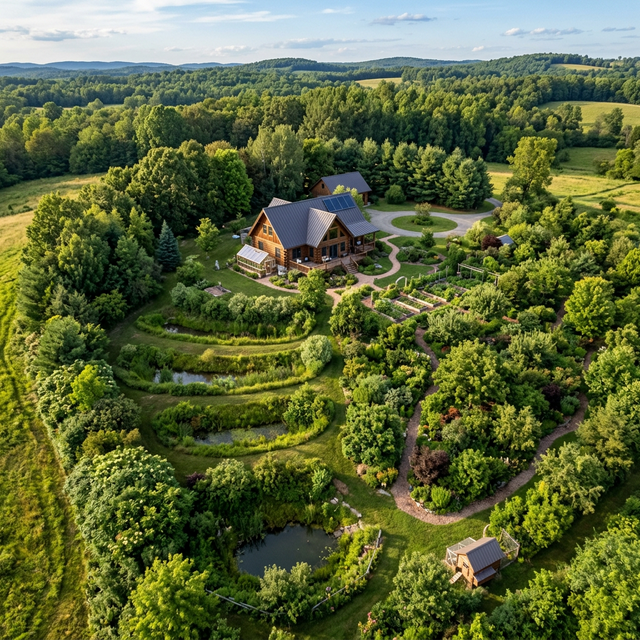
The dream of buying 10 acres in the country and starting a homestead is more popular than ever. But the transition from a suburban lot to a rural property can be a brutal awakening.
Many first-time homesteaders rush out to buy a tractor, a flock of chickens, and two milk cows before they understand the fundamental ecology of their new land. The result is often compacted soil, overgrazed pastures, and an empty bank account.
Successful homesteading isn't about how many animals you have; it is about how well you manage your soil and water. Before you buy the livestock or plant the massive orchard, follow these essential land management steps to build a resilient, productive homestead.
1. Observe Before You Act (The One-Year Rule)
In permaculture, there is a golden rule: Do nothing major for the first year.
When you buy a property, you do not know its secrets yet. Where does the frost settle latest in the spring (creating a microclimate for fruit trees)? Which pastures turn into a swamp after a heavy spring rain? Which direction do the prevailing winter winds blow?
Spend your first four seasons observing:
- Map the sun: Note where the shadows fall in December versus June. This dictates where your garden and solar panels must go.
- Track the water: Walk the land during a heavy downpour. See where the water flows, where it pools, and where it causes erosion.
- Identify the flora/fauna: Figure out what native plants and invasive species already exist.
The Exception to the Rule:
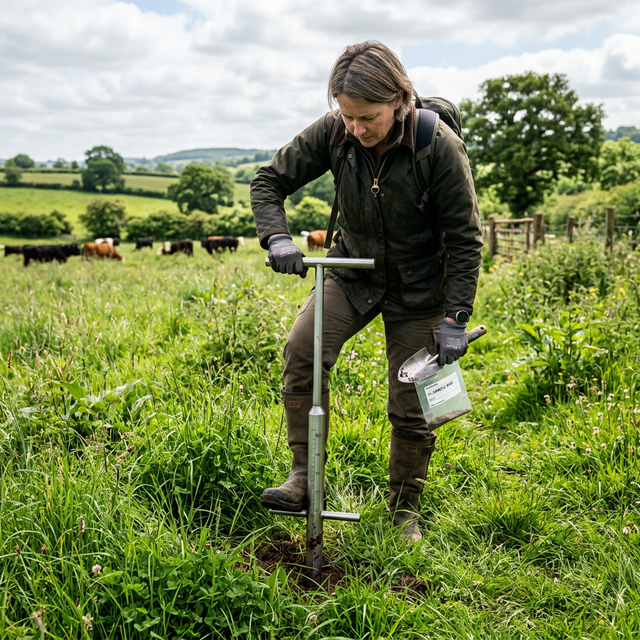
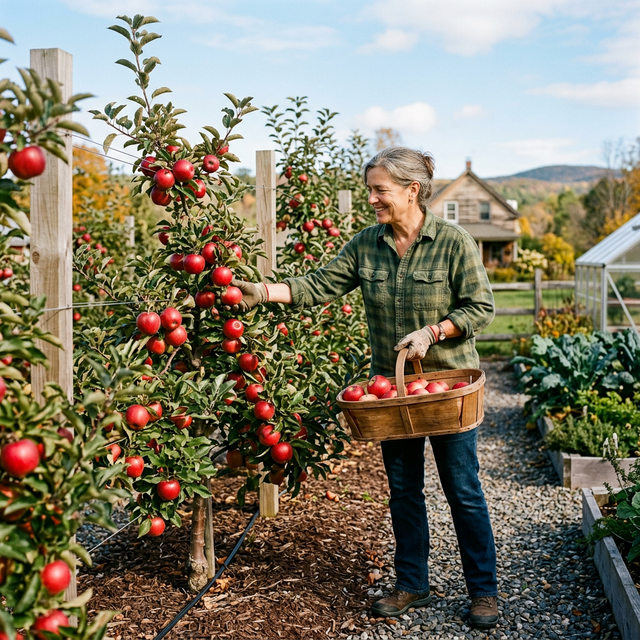
The only major things you should do in Year 1 are planting slow-growing trees (like nut or fruit trees, provided you have observed the soil/water enough to pick a site) and establishing baseline soil tests.
2. Develop a Comprehensive Water Plan
Water is the limiting factor for any homestead. You cannot build a resilient farm if you rely entirely on a municipal water line or a single shallow well that might dry up in August.
Redundant Water Systems
- Primary: Your deep well or municipal hookup.
- Secondary: Rainwater catchment off the barn or house roof. A 1,000-square-foot roof sheds roughly 600 gallons of water in a 1-inch rain. Route gutters into opaque IBC totes for gravity-fed garden irrigation.
- Tertiary: Surface water. Consider building a small pond at a high elevation on the property so it can gravity-feed water troughs in the pastures below.
The Soil Sponge
Your biggest water storage tank is the earth itself. Increase your soil's organic matter through composting and cover cropping to "shrink the sponge" so your land absorbs and holds rainfall rather than letting it run off.
3. Prioritize Fencing and Infrastructure
Good fences make good homesteads. If your animals are constantly escaping, or if deer are constantly eating your garden, you will quickly burn out.
Perimeter vs. Interior Fencing:
- Perimeter: Build a permanent, predator-proof perimeter fence around the entire property (or at least the working acreage). Woven wire (field fence) anchored by heavy wooden H-braces is the gold standard.
- Interior: Use temporary, flexible fencing (like electric poly-wire or poultry netting) for the interior compartments. This allows you to practice rotational grazing and easily change the size of your paddocks as the seasons change and your herd grows.
4. Start Small with Livestock
Livestock are the heavy lifters of a homestead ecosystem. They convert grass into protein, and their manure builds soil fertility. But they are also the fastest way to ruin land if mismanaged.
Don't buy cattle in Year 1.
The Ideal Progression:
- Laying Hens: Easy to manage, low cost, and their manure is "black gold" for the compost pile. Use a mobile "chicken tractor" to move them across the lawn or pasture, fertilizing as they go.
- Meat Rabbits or Broiler Chickens: Excellent feed-to-meat conversion ratios and perfect for small acreages.
- Small Ruminants (Sheep/Goats): If you have brushy, overgrown land, goats will clear it for you. Sheep are excellent pasture grazers that are easier to handle and require less acreage than cattle.
- Cows/Pigs: Wait until Year 3. Pigs require specialized, heavy-duty fencing, and a cow requires significant winter hay storage and massive pasture acreage to avoid overgrazing.
5. Build Soil Health Relentlessly
The defining characteristic of a successful homesteader is an obsession with soil biology. Your vegetables and your livestock are simply byproducts of healthy soil.
- Compost Everything: Start a three-bin composting system immediately. Cardboard, chicken manure, kitchen scraps, and leaves all go in.
- Adopt No-Till Gardening: Stop rototilling your garden every spring. Tillage destroys the fungal networks that plants rely on to gather nutrients. Instead, use the "Deep Mulch" or "Lasagna Gardening" method—layering cardboard, compost, and thick straw directly over the grass to smother weeds and build topsoil from the top down.
- Use Cover Crops: Never leave bare dirt over the winter. Plant a mix of winter rye and crimson clover in your garden beds and drilled into your pastures to protect the soil from rain erosion and fix free nitrogen.
6. Access Government Assistance
You do not have to do this alone. The USDA wants small farms and homesteads to succeed.
Once you have purchased your property, immediately register at your local Farm Service Agency (FSA) to get a Farm and Tract Number. This makes you eligible for the EQIP program, which can literally pay you to build high-tunnel greenhouses, install cross-fencing, and plant pollinator habitats.
Summary
Starting a small homestead is a marathon, not a sprint. The most successful homesteaders are those who spend their first year observing the land, building resilient water and fencing infrastructure, scaling their livestock slowly, and focusing obsessively on building topsoil. Treat your land like an interconnected ecosystem rather than a factory, and it will reward you with resilience and abundance for decades.
Explore more: Learn how to design your property using Permaculture Principles, or get your baseline data by following our Free Soil Testing Guide.
Sources & Further Reading
- The Permaculture Research Institute — Getting Started: permaculturenews.org
- USDA New Farmers website: farmers.gov/your-business/beginning-farmers
- ATTRA Sustainable Agriculture — Small-Scale Farming: attra.ncat.org
- Understanding Ag — Regenerative Farming: understandingag.com
- The Livestock Conservancy — Choosing the Right BreEDS: livestockconservancy.org
Written by Tom Miller, Regenerative Agriculture & Homesteading Contributor at LandHelp.info. Tom manages a highly productive 12-acre homestead specializing in rotational grazing, no-till market gardening, and poultry production.
Tags:
Tom Miller
Regenerative Agriculture & Homesteading Contributor