The Conservation Stewardship Program (CSP) – A Guide for Landowners
A comprehensive guide to the USDA's Conservation Stewardship Program (CSP). Learn how this 'graduate-level' program rewards landowners for existing conservation efforts.
The Conservation Stewardship Program (CSP) – A Guide for Landowners
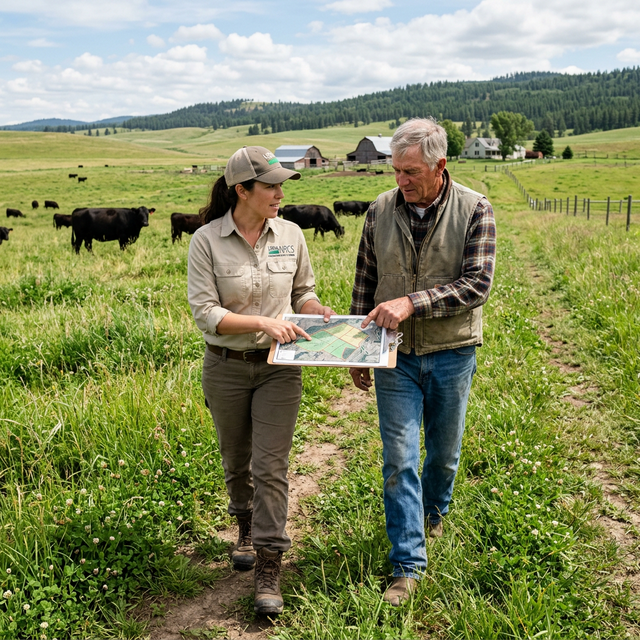
If you have spent years improving your land—building soil health, managing timber for wildlife, and protecting water quality—you might look at federal funding programs like EQIP and think, "I've already done all that work. What is there for me?"
The USDA Natural Resources Conservation Service (NRCS) recognized this flaw: existing programs often rewarded the worst landowners to fix massive problems, while ignoring the excellent stewards who were already doing everything right.
Enter the Conservation Stewardship Program (CSP).
Often referred to as the "graduate school" of USDA conservation programs, CSP is designed specifically to reward landowners who are already practicing high-level conservation, and incentivize them to push their efforts even further. Here is everything you need to know about applying for and managing a CSP contract.
What is CSP and How Does It Differ From EQIP?
While EQIP (Environmental Quality Incentives Program) pays you to fix a specific problem (like installing a fence to stop cattle from eroding a creek), CSP pays you for your continuous, overall management of the entire property.
If EQIP is the emergency room visit to fix a broken leg, CSP is the wellness program that pays you an annual stipend for going to the gym and eating right.
The Two Types of CSP Payments
If you secure a CSP contract, it lasts for five years, and you receive an annual payment consisting of two parts:
- Existing Activity Payment: You get an annual financial reward just for maintaining the good conservation practices you are already doing on your land.
- Enhancement Payment: You get paid extra to implement new "enhancements"—taking your current practices to a higher level of conservation.
What Are CSP "Enhancements"?
Enhancements are the core of the CSP program. They are not basic structural fixes (like digging a pond); they are advanced management tweaks.
Here are examples of common CSP enhancements:
For Cropland & Pasture
- Advanced Grazing Management: Instead of just practicing basic rotational grazing, CSP might pay you an enhancement to monitor the soil microbiology, or to leave 6 inches of residual forage height specifically to protect ground-nesting birds.
- Precision Cover Cropping: Moving beyond simple winter rye, CSP pays enhancements for planting complex, multi-species cover crops tailored precisely to your soil deficiency.
- Pollinator Strips: Leaving strategic, un-mowed strips of native wildflowers in your pastures or crop fields.
For Forest & Timber
- Creating Patch Clearcuts: Strategically harvesting small 1-to-3 acre patches in a mature forest to create explosive, dense new growth for grouse and deer bedding habitat.
- Leaving Woody Debris: An enhancement that pays you to intentionally fell trees and leave them on the forest floor to rot, building soil and providing amphibian habitat.
- Snag Creation: Girdling low-value trees to create standing deadwood for cavity-nesting birds like woodpeckers and owls.
Who is Eligible for CSP?
CSP is highly competitive and is not for beginners. To qualify, you must:
- Have "Control of the Land": You must own the land or have a written, long-term lease.
- Meet the Resource Threshold: When the NRCS planner visits your property, they will evaluate your current management using a tool called the Conservation Assessment Ranking Tool (CART). You must already be meeting the stewardship threshold for at least two major resource concerns (e.g., soil health and water quality) at the time of application.
- Enroll the Entire Operation: You cannot just enroll the 20 acres of pristine woods and leave out the 40 acres of degraded, overgrazed pasture. If you operate 500 contiguous acres in that county, the entire 500 acres must be evaluated and enrolled.
How Much Does CSP Pay?
CSP payments are highly variable, determined by the acreage enrolled, the baseline conservation level, and the specific enhancements chosen.
- Minimum Payment: Even for very small acreages, CSP contracts currently carry a minimum annual payment of $4,000 per year for the five-year contract (totaling $20,000), making it extremely attractive for small-scale regenerative farms and intensive woodland managers.
- Payment Limits: The maximum payment limitation is $200,000 for a person or legal entity over the life of the 5-year contract.
Note: Historically Underserved producers (Beginning Farmers, Veterans, Limited Resource) often receive higher ranking priority and higher payment rates for the new enhancements.
The Application Process: Step-by-Step
1. The Pre-Requisite
Ensure your property is registered with the Farm Service Agency (FSA), and that you have an established Farm and Tract Number.
2. The Application Window
Like EQIP, CSP applications are accepted on a continuous basis, but they are batched and ranked once a year (usually in late winter or early spring). Submit Form CPA-1200 to your local NRCS office.
3. The Interview and Site Visit
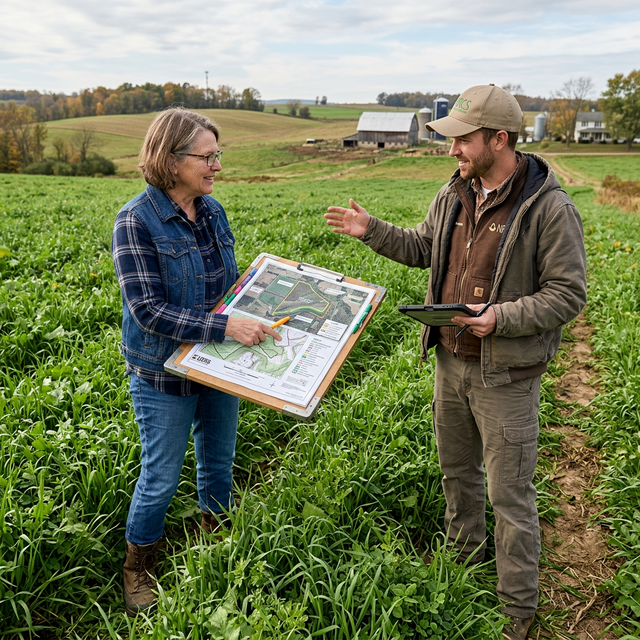
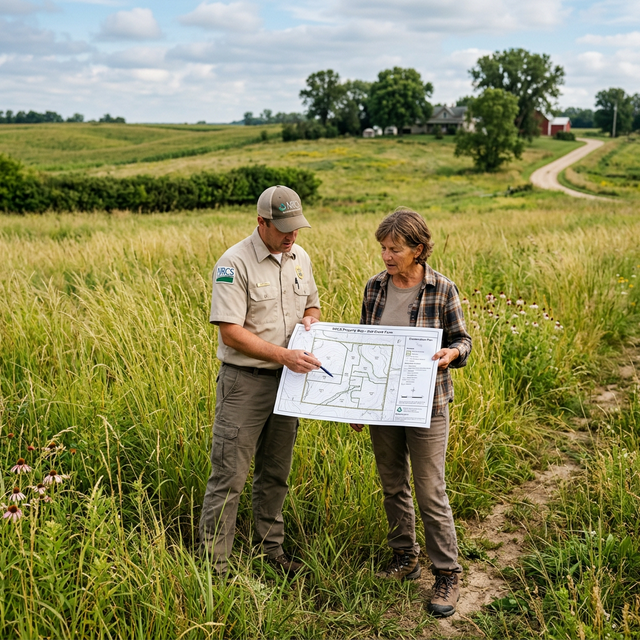
A District Conservationist will schedule a lengthy interview and site visit. They will ask detailed questions about your current management: When do you spray herbicide? How often do you rotate cattle? What is your timber harvest schedule?
- Pro Tip: Be honest. Do not exaggerate your current practices. If you say you do something, it must be documented.
4. Ranking and Enhancement Selection
The NRCS will run your data through the CART system. If your baseline conservation is high enough, you will be invited to select new enhancements from their catalog that fit your goals. Your final score—and whether you get funded—depends on how impactful those new enhancements are.
5. Managing the 5-Year Contract
If funded, you must keep meticulous records. If you agree to a grazing enhancement, you must document the date animals entered and exited every paddock for five years. The NRCS will conduct random audits. If you fail to implement the enhancements or maintain your baseline conservation, you will have to pay the money back.
Summary
The Conservation Stewardship Program is exactly what it sounds like: a reward for excellent land stewardship. While the paperwork is heavy and the record-keeping requirements are strict, a guaranteed five-year annual payment is a massive financial boost for a rural property. If you have spent years improving your soil, your timber, and your wildlife habitat, you owe it to yourself to walk into the NRCS office and ask if your land is ready for graduate school.
Explore more: Not quite ready for CSP? Check out our guide to getting started with EQIP Basics, or learn how to develop a comprehensive 5-Year Land Management Plan to prepare your property.
Sources & Further Reading
- USDA NRCS — Conservation Stewardship Program (CSP): nrcs.usda.gov
- National Sustainable Agriculture Coalition — Farmers' Guide to the CSP: sustainableagriculture.net
- USDA Farmers.gov — Conservation Programs: farmers.gov/conservation
- LandHelp.info — Conservation Planning Tools: Categories > Conservation Programs
Written by Maria Rodriguez, Wildlife Biologist & Conservation Programs Advisor at LandHelp.info. Maria spent five years writing CSP contracts as a federal conservation planner and specializes in helping landowners maximize their program eligibility and enhancement selections.
Tags:
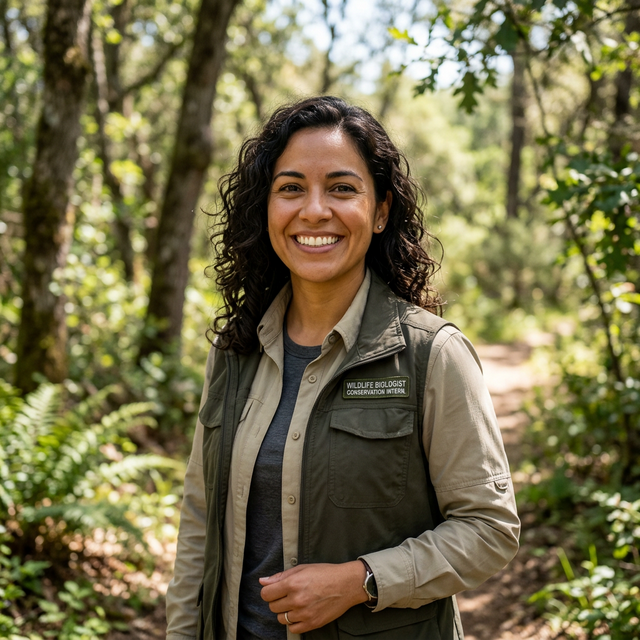
Maria Rodriguez
Wildlife Biologist & Conservation Programs Advisor
Maria specializes in wildlife habitat improvement and navigating conservation incentive programs. She has helped hundreds of landowners access NRCS programs and improve habitat on their properties.