Attracting Game Animals: Habitat Tips for Deer, Turkey, and Quail
How to effectively manage your land to attract and hold white-tailed deer, wild turkey, and bobwhite quail. Focus on the 'habitat triad'—food, water, and cover.
Attracting Game Animals: Habitat Tips for Deer, Turkey, and Quail
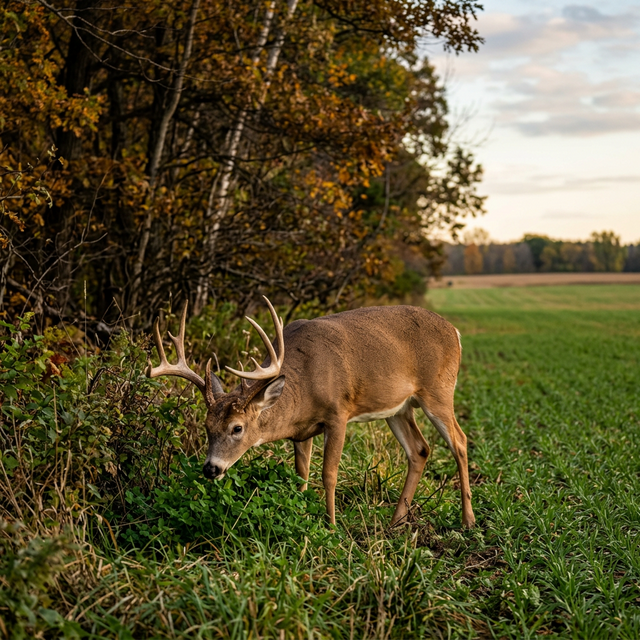
If you own hunting land, or just want the thrill of watching target wildlife from your back porch, the impulse is almost always the same: plant a food plot.
While food plots are excellent tools, they are only one leg of a three-legged stool. The "habitat triad" consists of Food, Water, and Cover. If you only provide food, you are simply operating a restaurant for the neighbor’s deer. To truly attract and hold game animals like white-tailed deer, wild turkey, and bobwhite quail, your property needs to provide the bedroom (cover) and the drinking fountain (water) as well.
To become a destination property rather than just a pass-through property, you need to manage your land comprehensively.
Here are the specific, proven habitat tips to attract and hold North America's "Big Three" upland game species.
The "Big Three" Game Species: What They Need
While deer, turkey, and quail share many habitats, their specific requirements—especially for nesting cover and seasonal food—are distinctly different. Managing for all three requires creating a mosaic of different successional stages (brush, mature timber, open fields) across your property.
1. White-Tailed Deer: The Edge Lovers
Deer are "edge species." They thrive where dense forest meets open meadow, providing them with security cover and high-quality browse in close proximity.
Cover: Deer need thick, impenetrable bedding areas—often called "sanctuaries." You should designate at least 15% to 20% of your property as an absolute sanctuary where humans never go, except perhaps once a year to shed hunt.
- Action tip: Create "hinge cuts" (cutting low-value trees halfway through and pushing them over) to instantly create dense, horizontal deer bedding cover that provides immediate woody browse.
Food: A deer’s diet is roughly 50% woody browse, 30% forbs (broadleaf weeds), and 20% mast (acorns/nuts) and grasses.
- Action tip: Food plots are great for hunting season, but hard mast is critical for winter survival. Release your best oak trees from competition via "Crop Tree Release" thinning. By cutting away the competing trees around a mature white oak, you can increase its acorn production by up to 100%.
2. Wild Turkey: The Floor Walkers
Turkeys need open space on the forest floor to see predators, scratch for insects, and forage for mast, but they also need dense cover nearby for nesting.
Cover (Nesting): Hens nest on the ground, making them highly vulnerable to raccoons, skunks, and coyotes. They prefer the transition zones between mature timber and brushy fields.
- Action tip: Do not mow your fields or pasture edges until late summer (after August 1st). Early haying destroys countless turkey nests and kills poults (chicks).
Cover (Brood-rearing): After hatching, poults are "bug-picking machines" and cannot fly for two weeks. They need open, "weedy" fields where they can walk easily but remain hidden from hawks overhead. A manicured grass lawn is a death sentence; a knee-high field of native wildflowers and ragweed is an insect buffet.
Cover (Roosting): Turkeys require large, mature trees (pines, oaks, sycamores) near water or open ridges to roost safely at night.
3. Bobwhite Quail: The Brush Dwellers
Bobwhite quail populations have crashed by over 80% since 1960. The culprit? "Clean farming." We removed the brushy fence rows, native grass borders, and plum thickets that quail require. If you want quail, you must accept "messiness."
Cover (The "Covey Headquarters"): Quail spend the winter in coveys (groups) and require dense, woody escape cover to survive snow and hawks.
- Action tip: Build massive brush piles and establish thickets of native shrubs like American plum, sumac, or blackberry. A quail should never be more than a short, 50-yard flight from thick, thorny brush.
Food and Brood Cover: Like turkeys, quail chicks need bare ground interspersed with a "canopy" of tall, umbrella-like weeds to hunt for insects.
- Action tip: Plant native warm-season grasses (NWSG) like little bluestem, mixed with native forbs. Unlike dense introduced grasses (like fescue or bermudagrass), NWSG grows in clumps, leaving bare dirt avenues for tiny quail chicks to run through.
3 Essential Land Management Strategies for All Game
No matter which species you target, these three habitat management techniques deliver the highest return on investment:
1. Prescribed Fire
Fire is the cheapest and most effective habitat tool in existence. A low-intensity, controlled burn in a pine forest or native grass field resets the "successional clock." It consumes dead leaf litter (making seed-scratching easier for turkeys), top-kills small saplings (creating dense low browse for deer), and stimulates the seed bank to explode with native, highly nutritious forbs.
- Never burn without training. Contact your state forestry agency to take a certified prescribed burner course.
2. Eradicate Tall Fescue
Tall fescue (Kentucky 31) is a terrible grass for wildlife. It forms a dense, impenetrable mat that turkey poults and quail chicks cannot walk through. Worse, it harbors an endophyte fungus that is mildly toxic and suppresses the growth of beneficial native weeds.
- Use targeted herbicides in the fall to kill tall fescue in your open fields, and replace it with native warm-season grasses or a clover food plot.
3. Edge Feathering
Hard edges (where a mature forest suddenly meets an open field) are dangerous for game birds and offer little food for deer. Create a "soft edge" by cutting 30 to 50 feet of the timber back from the field line, creating a transitional zone of thick brush, briars, and saplings.
Accessing USDA Funds for Game Management
Improving wildlife habitat doesn't have to break your bank account.
The USDA Natural Resources Conservation Service (NRCS) heavily funds upland wildlife habitat improvement on private lands. Through the Environmental Quality Incentives Program (EQIP), you can apply for cost-share funding to offset the expense of:
- Prescribed burning
- Eradicating fescue and invasive brush
- Planting native warm-season grasses and pollinator plots
- Timber stand improvement (crop tree release and hinge cutting)
Summary
Attracting deer, turkey, and quail is about much more than a bag of "deer corn" or a small clover plot. Game management requires creating a mosaic of habitats—dense bedding thickets, open bugging fields, mature mast-producing timber, and brushy fence rows. Stop mowing every inch of your property, incorporate prescribed fire, and use your chainsaw to put sunlight on the ground. When you provide the structural cover and native food sources they evolved with, the game animals will follow.
Explore more: Learn how to access USDA funding for these projects in our guide to EQIP Basics, or dive deeper into Building Brush Piles and Snags.
Sources & Further Reading
- Quality Deer Management Association (National Deer Association) — Habitat Management: deerassociation.com
- National Wild Turkey Federation — Conservation and Habitat: nwtf.org
- Quail Forever — Habitat Tips: quailforever.org
- USDA NRCS — Wild Turkey Habitat Management Guide: nrcs.usda.gov
- University of Missouri Extension — Edge Feathering for Bobwhite Quail: extension.missouri.edu
- Penn State Extension — White-tailed Deer Habitat Management: extension.psu.edu
Written by Maria Rodriguez, Wildlife Biologist & Conservation Programs Advisor at LandHelp.info. Maria specializes in upland game management and navigating NRCS incentive programs for private hunting lands.
Tags:
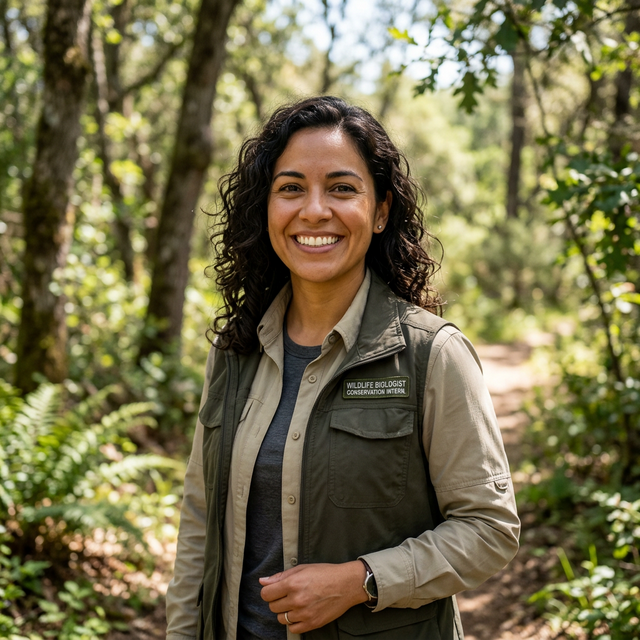
Maria Rodriguez
Wildlife Biologist & Conservation Programs Advisor
Maria specializes in wildlife habitat improvement and navigating conservation incentive programs. She has helped hundreds of landowners access NRCS programs and improve habitat on their properties.