Low-Impact Trail Building for Hikers and Mountain Bikers – What You Need to Know
A comprehensive guide for landowners on designing and building sustainable, low-impact trails for hiking, biking, and property access.
Low-Impact Trail Building for Hikers and Mountain Bikers – What You Need to Know
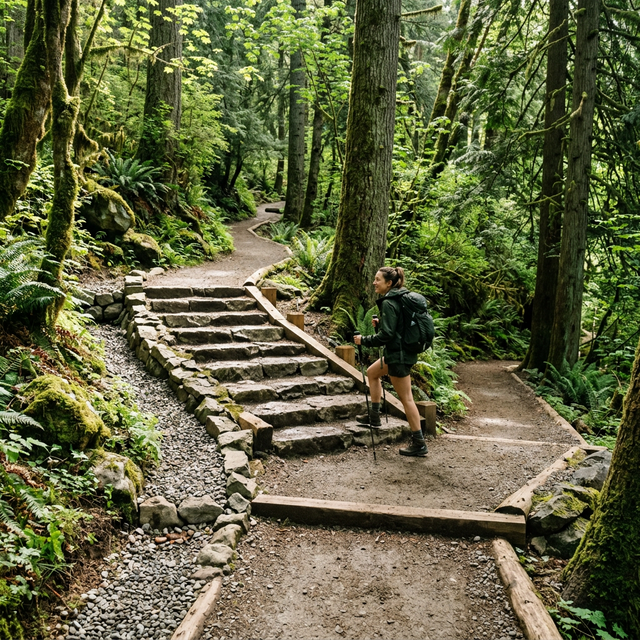
Adding a trail network to your property is one of the most rewarding land management projects you can undertake. Whether you want a quiet hiking path to observe wildlife, a mountain biking loop for your family, or just better walking access for property maintenance, a well-built trail adds immense recreational and financial value to your land.
However, poorly constructed trails are an ecological disaster. A trail built by simply dragging a tractor blade down a steep hill will quickly turn into an eroded, muddy trench that damages water quality and requires constant, expensive repairs.
Why is sustainable trail development critical? Because water is the ultimate enemy of any unpaved surface. The modern science of "low-impact trail building" is entirely focused on managing water flow while protecting the surrounding ecosystem. In this article, you will learn the golden rules of trail layout and the basic construction techniques used by professional trail builders and the US Forest Service.
1. The Golden Rules of Sustainable Trail Routing
Before you move a single shovelful of dirt, you must route your trail correctly. You cannot fix a poorly routed trail with maintenance; it must be rebuilt. Grab some brightly colored flagging tape and head into the woods with these rules in mind:
The "Half-Rule"
A trail's grade (steepness) shouldn't exceed half the grade of the hillside it traverses. If you are building a trail across a hillside that has a 20% slope, the trail itself should not exceed a 10% slope. If the trail slope exceeds the half-rule, water will flow down the trail instead of across it, causing severe erosion.
The 10% Average Guideline
While a trail can occasionally dip or climb steeply for short distances, its overall average grade should remain under 10%. This is comfortable for hikers, sustainable for bikes, and highly resistant to erosion.
Avoid the Fall Line
The "fall line" is the shortest route down a hill—the path water naturally takes. Never build a trail straight up or down a hill along the fall line. Instead, route the trail across the contour of the hill, traversing gently back and forth.
2. Construction Techniques: The Bench-Cut Trail
The industry standard for building on a hillside is the bench cut. This involves excavating soil from the uphill side of the slope and casting it downhill to create a flat, stable tread in the mineral soil beneath the organic layer.
Step-by-Step Bench Cutting
- Clear the Corridor: Remove brush and branches to a height of 8 feet and a width of 4-6 feet.
- Remove the Duff: Rake away all leaves, pine needles, and topsoil (the "duff" layer). Never build a trail on topsoil or organic matter, as it will compress and hold water.
- Cut the Bench: Dig into the hillside to expose the hard mineral soil.
- Outslope the Tread: The flat surface you walk on (the tread) should not be perfectly flat. It should tilt slightly downhill at a 5% angle (outslope). This ensures that rain hitting the trail flows gently off the side rather than pooling or running down the trail.
- Shape the Backslope: The vertical dirt wall on the uphill side of your trail must be sloped back (usually at a 45-degree angle) so soil doesn't constantly collapse onto the trail.
3. Controlling Water: Drainage Features
Even with a perfect outslope, water will sometimes run down the trail. To prevent erosion, you must incorporate drainage features organically into the trail design.
Grade Reversals (The Best Defense)
A grade reversal is a spot where a climbing trail briefly dips down, then resumes climbing. This natural "rollercoaster" shape forces any water flowing down the trail to exit safely off the side at the low point. Professional builders aim to include a grade reversal every 20 to 50 feet.
Rolling Crown Dips
If you are fixing an old, eroded trail and cannot change its route, you can build rolling crown dips. These are wide, gentle mounds built from mineral soil placed diagonally across the trail. They act like speed bumps for water, diverting it off the trail without disrupting the flow of hikers or cyclists. Avoid traditional wooden water bars, which tend to rot, trip hikers, and cause bicycle crashes.
4. Multi-Use Considerations: Hikers vs. Bikers
If you are designing for mountain bikes, there are a few extra physics elements to consider:
- Sightlines: Bikers travel faster than hikers. Ensure visibility around corners by brushing out the inside radius of turns.
- Insloped Turns (Berms): On sharp corners, mountain bikers need support to maintain traction. While straight trail sections are outsloped, switchbacks and sharp turns intended for bikes should be "insloped" or built into banked berms.
- Pinch Points: To keep motorized vehicles (like ATVs) off your non-motorized trails, strategically place large rocks or leave narrow gaps between trees at the trail entrance.
5. Summary and Actionable Next Steps
Building a sustainable trail requires sweat equity, but doing it right the first time ensures generations of low-maintenance enjoyment. Remember: stay off the fall line, rely on the bench cut, and always out-slope your tread.
Ready to start?
- Buy a clinometer (a small hand tool used to measure slope angles) or download a clinometer app for your smartphone.
- Walk your property in the winter or early spring when foliage is down to plan your route.
- Flag a 100-foot test section using the Half-Rule, and practice digging a proper bench cut.
For more information on navigating land use liability when opening trails to guests, explore our guide on Recreation and Agritourism. If you are managing your forest simultaneously, check out Thinning Your Woods.
Sources & Further Reading
- International Mountain Bicycling Association (IMBA) - Trail Solutions: IMBA's Guide to Building Sweet Singletrack: imba.com
- US Forest Service - Trail Construction and Maintenance Notebook: fs.fed.us
- Penn State Extension - Sustainable Trails for Private Landowners: extension.psu.edu
- American Trails - Resources for Trail Builders: americantrails.org
Written by Dr. Sarah Mitchell, Senior Editor & Land Management Specialist at LandHelp.info. Dr. Mitchell holds a Ph.D. in Natural Resource Management and has spent decades advising landowners on holistic property development and sustainable forestry.
Tags:
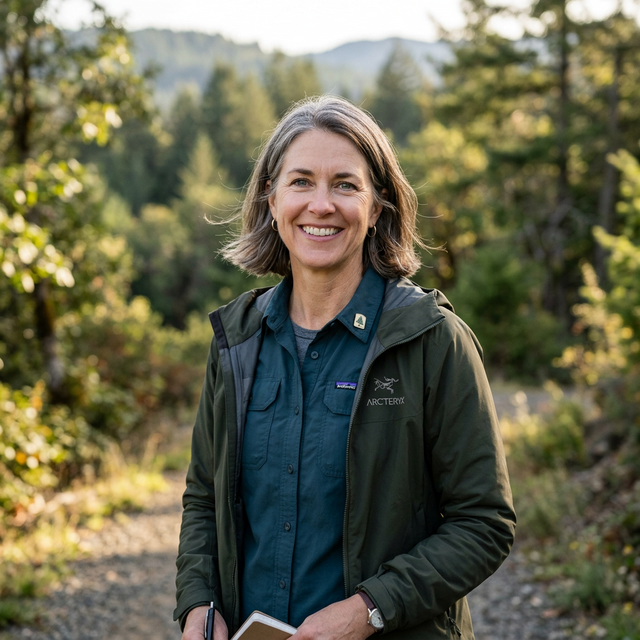
Dr. Sarah Mitchell
Senior Editor & Land Management Specialist
Dr. Mitchell has over 20 years of experience in natural resource management, with expertise in sustainable agriculture and forest stewardship. She holds a Ph.D. in Natural Resource Management from Colorado State University and has worked with the USDA NRCS for 15 years.