State-Level Pollinator & Monarch Habitat Grants: Quick Application Guide
A fast, actionable guide to securing state-level funding to convert idle acres into thriving pollinator and monarch butterfly habitats.
State-Level Pollinator & Monarch Habitat Grants: Quick Application Guide

While the federal government offers massive, complex conservation contracts (like EQIP and CSP), many landowners are intimidated by the staggering amount of paperwork and the 5-year commitments required by the USDA. If you own 2 to 20 acres and simply want to convert a tired lawn or an old hayfield into a thriving wildflower meadow, there is a much faster, easier path to funding.
In response to the catastrophic decline of the Monarch Butterfly and native bee populations, almost every state’s Department of Natural Resources (or its equivalent wildlife agency) has launched highly localized, fast-tracked pollinator grant programs.
Why is this important? Establishing a two-acre pollinator meadow using high-quality native seed mixes can easily cost $1,500 to $3,000 in seed alone. State-level grants are designed specifically to eliminate this financial barrier for small-acreage owners, offering rapid reimbursements or free seed directly to the landowner. Here is the fast-track guide to finding and applying for these state-level programs in 2026.
1. Federal vs. State Pollinator Programs
When you apply for federal NRCS funding to plant pollinators, you are subjected to rigorous, multi-page engineering standards. The government dictates the exact day you must plant, the exact ounces of specific seeds per acre, and mandates complex, multi-year weed control regimes.
The State-Level Advantage
State programs are vastly preferred by small acreage owners because they are "outcome-based."
- Less Bureaucracy: Applications are often 2 to 3 pages long, submitted entirely online.
- Faster Timelines: While federal grants take 6 to 12 months to clear, state pollinator grants are often approved in 4 to 8 weeks.
- Direct Material Supply: State wildlife agencies (often working with groups like Pheasants Forever) frequently bypass cash reimbursements entirely. They simply mail you a massive 50-pound bag of premium, custom-blended native seed for free, removing all upfront costs.
2. Where to Find the Grants (State by State)
Because these grants are state-managed and often funded by hunting/fishing license sales or specialized state lotteries, they go by dozens of different names. You will rarely find them by Googling "pollinator grant."
The Key Search Terms
To find your specific state’s program, search for your state's name followed by these specific phrases:
- Private Lands Biologist Program
- Partners for Fish and Wildlife (USFWS State-level implementation)
- Landowner Incentive Program (LIP)
- State Wildlife Grant Program (SWG)
Examples of Leading 2026 Programs
- Ohio & Midwest: The Ohio Pollinator Habitat Initiative (OPHI) and similar Corn Belt programs coordinate with local Soil and Water Conservation Districts (SWCD) to provide heavily subsidized native seed mixes designed specifically to outcompete agricultural weeds.
- Texas: The Texas Parks & Wildlife Pastures for Upland Birds (PUB) program focuses on restoring native tallgrass prairies that benefit both bobwhite quail and monarch butterflies.
- California: The CDFA Pollinator Habitat Program provides direct grants to agricultural operations to plant hedgerows and riparian buffers to support commercial almond and fruit crop pollination.
3. The NGOs: Your Backdoor to Funding
If your state agency is underfunded, non-governmental organizations (NGOs) often step in to fill the gap using corporate donations or pooled grant money. The secret is that NGOs do not advertise these grants heavily to the general public; you must actively find their state representatives.
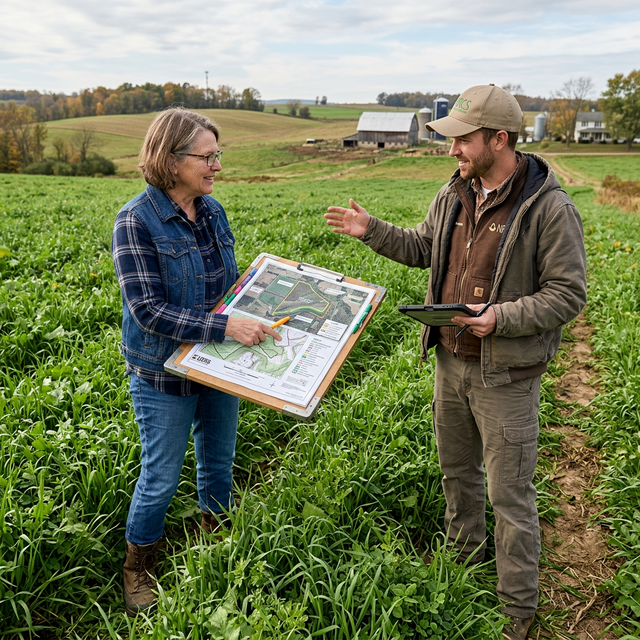
- Pheasants Forever / Quail Forever (PF/QF): They are the undisputed champions of private land habitat creation. A local PF "Farm Bill Biologist" (who often works out of the local USDA office) has access to specialized NGO seed grants. Because good pheasant habitat is good pollinator habitat, they will enthusiastically help you plan a monarch project.
- The Xerces Society: They offer specialized "Habitat Kits" (packages containing hundreds of live native plugs/plants) for free to agricultural producers and community organizations willing to sign a simple pledge to avoid pesticides in the planting area.
- Bee and Butterfly Habitat Fund (BBHF): Their "Seed A Legacy" program is phenomenal in the Midwest. If you have 2 or more acres to dedicate to pollinators, they provide the exact, scientifically blended seed mixes for free.
4. The Quick Application Prep
Most state and NGO grants require the same basic information. Prepare this 1-page document before you call the biologist, and your application will instantly move to the top of their pile.
- Acreage Size: Accurately measure the exact square footage or acreage of the proposed planting area using Google Earth. (We recommend starting with 1 to 2 acres).
- Current State: Take three photos of what the ground looks like right now (e.g., mowed turf, dense fescue pasture, bare dirt).
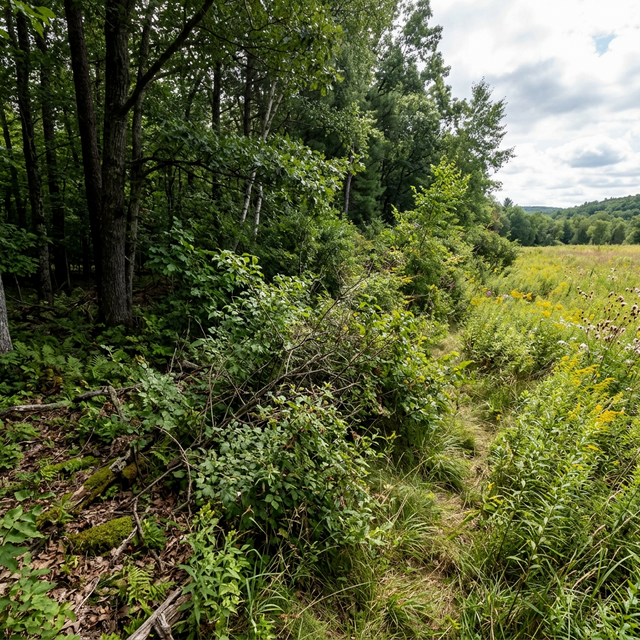
- Site Preparation Plan: State agencies will not give you $1,000 worth of seed to throw into a thick grass field where it will die. You must explicitly promise to "terminate the existing vegetation." Write down: "I plan to spray glyphosate twice this summer to eradicate the turf/fescue, followed by a dormant-season frost seeding of the provided native mix."
5. Summary and Next Steps
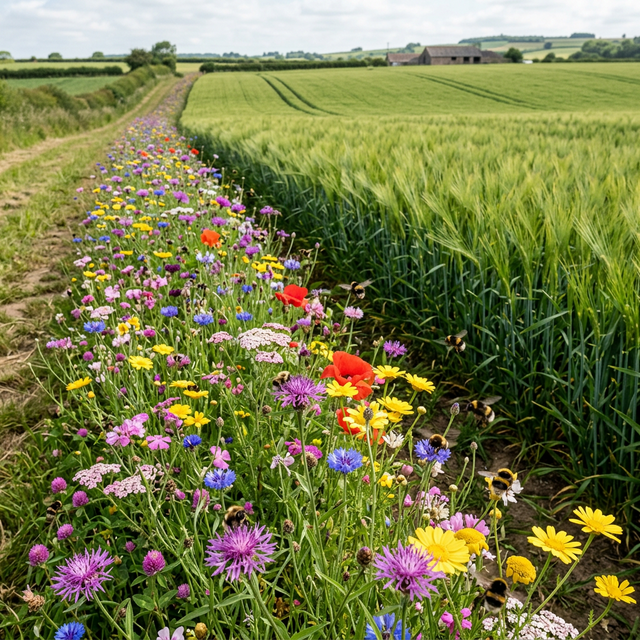
Converting marginal land to pollinator habitat is one of the most visually stunning and ecologically vital projects a landowner can undertake. Do not let the cost of native seed deter you. By utilizing streamlined state programs and partnering with NGOs like Pheasants Forever, you can secure the materials required for free or drastically reduced costs.
Action Steps:
- Call your state’s generic Department of Natural Resources hotline and ask to be connected with the "Private Lands Biologist" for your county.
- Visit the Bee and Butterfly Habitat Fund website to see if their Seed A Legacy program is active in your state.
- Identify a highly visible, sunlit area on your property (at least 1/2 acre) currently dominated by useless turfgrass to begin eradicating for a fall planting.
For a deeper dive into the exact plant species to establish, read our guide on Creating Pollinator Habitat with Native Plants.
Sources & Further Reading
- The Xerces Society for Invertebrate Conservation - Grants and Habitat Kits: xerces.org
- Bee and Butterfly Habitat Fund - Seed A Legacy Program: beeandbutterflyfund.org
- Pheasants Forever / Quail Forever - Find a Biologist: pheasantsforever.org
- Monarch Joint Venture - Funding and Technical Assistance: monarchjointventure.org
Written by Mark Henderson, Legal & Financial Advisor at LandHelp.info. Mark specializes in agricultural law, helping landowners navigate complex state and federal funding architectures to maximize conservation efforts profitably.
Tags:
Mark Henderson
Legal & Financial Advisor